Driver Health and Wellbeing: Are You Roadworthy?
21st Oct, 2026
We spend a lot of time making sure vehicles are roadworthy. But a beautifully
maintained vehicle is still being controlled by a human being. Driver health and wellbeing are just as important as vehicle maintenance when it comes to road safety. Fatigue, stress, dehydration and poor health can all affect our ability to drive safely.
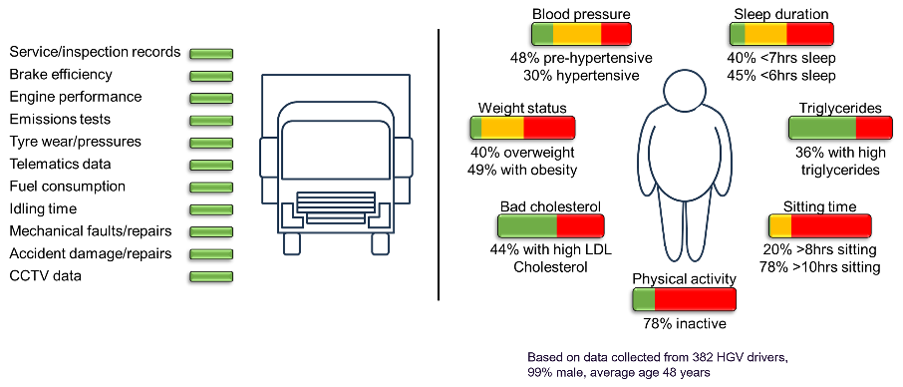
Graphic reproduced with permission. For more information visit
The SHIFT Study
.
Healthy drivers are a road-safety issue.
And being healthy isn’t always easy when you’re a professional driver.
Sitting on your bum all day, shift work, disrupted sleep and long working
days can all get in the way. That’s where Lifestyle Medicine can help.
What is Lifestyle Medicine?
Lifestyle Medicine supports people to make evidence-based, sustainable
behaviour changes that help them feel better now and prevent, treat and
sometimes reverse common long-term health conditions such as heart disease
and dementia.
Lifestyle medicine advice is scientifically proven to work so no woo woo!
It looks at food, movement, sleep, mental wellbeing, social connection and
reducing harmful substances and behaviours.
It isn’t about a doctor telling somebody to “lose weight, exercise more and
stop smoking.” Most of us already have some idea of what’s good for us and
where we could make changes. The difficult bit is actually doing it –
particularly when real life and a busy job get in the way.
Small changes, big difference
In my work with professional drivers, I use DOTs – Do One Thing.
Rather than ten things you should change, choose one thing you can actually do.
Such as take water in the cab, walk for ten minutes after your shift or take
lunch with you. Small, achievable changes do add up and can make a big difference.
Does it work in the real world?
In my Buses for Better Health work with Go South West, we combined a
15-minute Lifestyle Medicine appointment with routine DVLA D4 medicals.
97%
of drivers left planning a change.
76%
made a change.
84%
maintained their changes for up to nine months.
Where to start?
Perhaps alongside asking:
“Is my vehicle roadworthy?”
we should also ask:
“Am I roadworthy today?”
And organisations should ask:
“What are we doing to help our drivers stay that way?”
The British Society of Lifestyle Medicine provides education, resources
and healthcare professionals trained in Lifestyle Medicine, while Driving
for Better Business helps organisations manage driver health, wellbeing
and road risk.
Safer roads start with healthier drivers