
3 Steps to Change Patient Eating Habits During a 10-Minute Consultation
23rd Feb, 2026
How many times have you heard a patient say “I know what I need to eat to be healthy”, but they just can’t get into the right mindset to sort out their eating?
If most people know that vegetables = good and junk food = bad then how helpful can dietary advice really be to your patients who want to eat less? If the root cause of poor eating behaviours isn’t solely a lack of nutritional knowledge, then let’s consider emotions.
Talking about eating during consultations – what should you do?
If you were given food for anything other than nutritional reasons as a child (who wasn’t!), then you probably use food to change your emotional state. As I write this I can hear my mum saying, “Would a chocolate biscuit make it better?” if I’d just hurt myself. I learned that pain/sadness could be numbed with a sweet treat.
Parents, beware: if you give your children food to entertain them, they might become adults who eat when they’re bored. If you allow them to eat whilst doing a relaxing activity e.g. in front of the TV, they might become adults who grab food in times of stress (as they associate food with relaxation). Don’t get me started on food rewards…
The good news is these long-established eating behaviours can be re-wired, and you can help your patients re-wire theirs.
Talking about eating during consultations – what should you do?
You don’t have time to become a personal lifestyle coach to every patient. The first step to behaviour change is increasing self-awareness, and you DO HAVE TIME to influence this. Increased self-awareness is the foundation on which they can start putting their healthy eating knowledge into practice.
When the medical expert in you is screaming to tell them what to eat, try this instead:
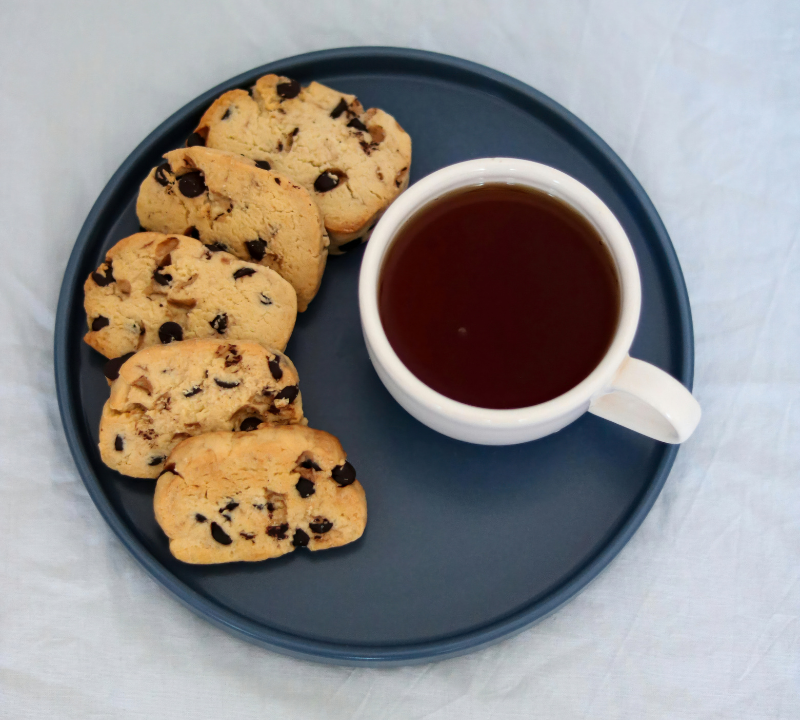
Snacking can be a great place for patients to start. Cutting out just one snack per day could be the small and manageable change they need to reduce calorie intake. 95% of UK adults snack, consuming on average 2.3 snacks per day (ZOE PREDICT, 2024). If your patient wants to snack less, point out the dental, financial and environmental benefits of this too.
Why this works
The truth is everybody prefers to feel like they’ve found the answers themselves. This feeling of achievement beats being told what to do every time. They are empowered.
There is of course a place for dietary advice, but I hope this article has inspired you to add a few more behavioural change (coaching) techniques to your toolbox when talking to patients about eating.
References
ZOE (2024) ZOE snacking study: What should you do? 16 May. Available at: https://zoe.com/learn/zoe-snacking-study-what-should-you-do (Accessed: 18 Feb 2025)
About the Author
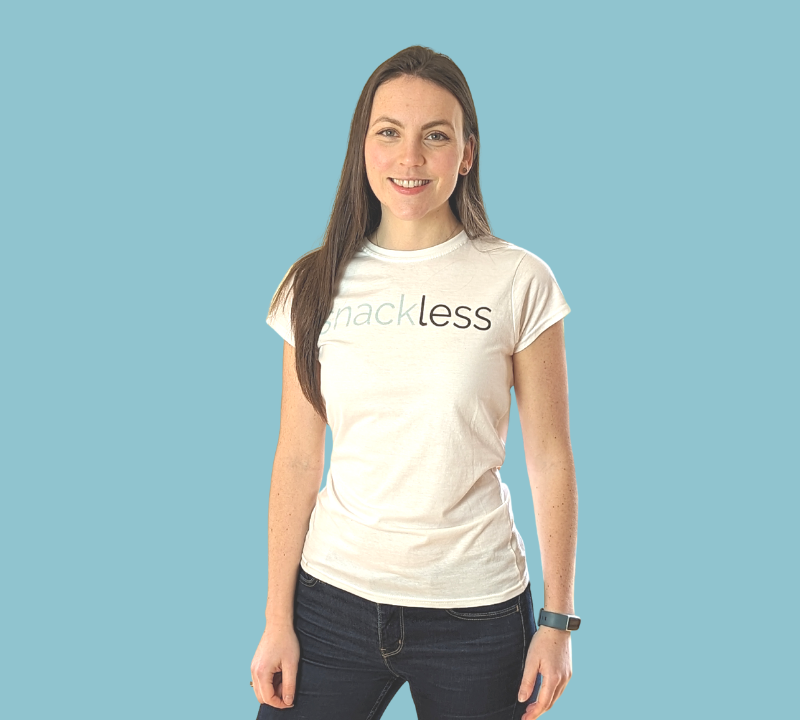
My name is Laura, and I help busy people stop snacking with my 30-day behavioural change programme called ‘snackless’.
After qualifying with a Distinction in life coaching from The Coaching Academy in 2021, I’ve been on a mission to help adults reduce emotional and habitual snacking.
Results of snackless indicate exciting potential for NHS adoption:
• 93% snacked less on the programme
• 91% said they felt confident they would continue to snack less
• 92% of respondents were still snacking less 12 months later
The snackless programme is accredited by the British Society of Lifestyle Medicine.